
MORE LIFE - Hankou
2023 / May 10th-22nd / Wuhan, Hubei
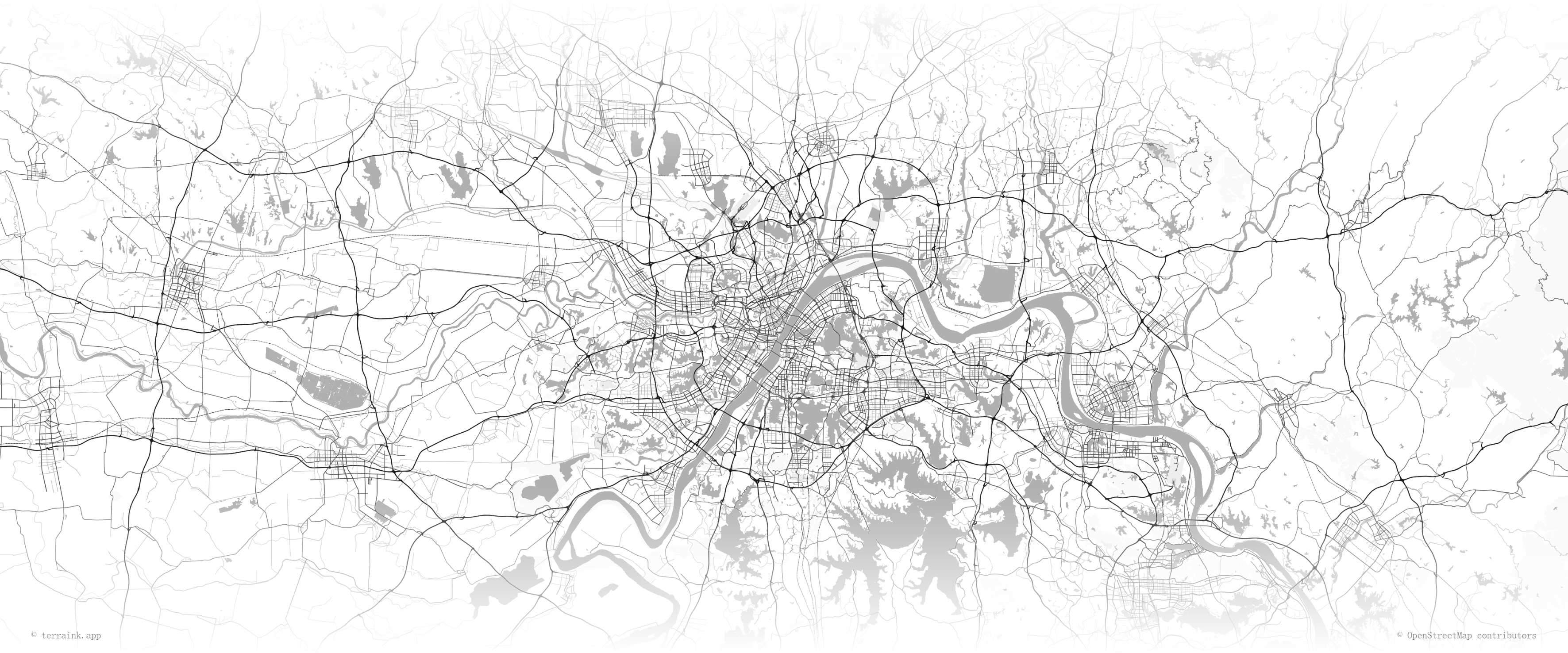
This archive records the Wuhan section of the MORE LIFE journey in May 2023, centered around Hankou. After moving through mountains, temples, waterfalls, and coastal places, Hankou felt like a return to an older kind of city rhythm. Wuhan itself is divided by rivers, bridges, and different urban personalities, but Hankou has a very specific atmosphere: commercial history, old streets, river wind, modern storefronts, colonial-era façades, food stalls, and the heavy humidity of central China all layered into the same walking experience.
Hankou did not feel like a place defined by one single landmark. It was more about street texture and movement. The buildings carried traces of different periods: old commercial blocks, narrow side streets, restored façades, apartment windows, shop signs, small restaurants, and corners where daily life continued without needing to become scenery. Walking through the area meant constantly switching between past and present. One moment the street felt historical and quiet; a few steps later, it became crowded, loud, and full of traffic, food smells, scooters, and people moving with purpose.
The river was an important part of the atmosphere. Near the Yangtze and Han rivers, the city opened up, and the air felt wider even when the weather was humid. Hankou’s connection to water gave the place a different weight. The roads, docks, old trade memory, and riverfront spaces all suggested a city that had always depended on movement: goods, people, boats, trains, and stories passing through. Compared with tourist sites that present themselves clearly, Hankou felt more lived-in and harder to summarize. Its character appeared through repetition: storefront after storefront, street after street, old wall beside new sign, quiet doorway beside a busy crossing.
For photography, Hankou was about urban density and small details. It did not ask for dramatic mountain-scale images. It asked for attention to light on old walls, pedestrians crossing through humid air, reflections in shop windows, evening signs, street food smoke, and the contrast between aging surfaces and active city life. Some images belonged to architecture, some to traffic, some to people, and some to the feeling of walking without needing a destination.
This page is not a travel guide. It is a visual memory of Hankou inside the MORE LIFE journey: the river-city atmosphere, the old commercial streets, the humidity, the movement, the food, the faded walls, and the feeling of being inside a city where history is not displayed separately, but continues to exist within everyday life.


MORE LIFE - 武汉汉口
2023 / 五月 10日-22日 / 湖北 武汉
这一页记录的是 2023 年 5 月 MORE LIFE 旅程中的武汉汉口部分。走过山、寺院、瀑布、海岛和峡谷之后,汉口像是一次重新回到城市里的停顿,但它不是那种崭新、整齐、单一的城市感。武汉被江河、桥梁和不同城区的性格分开,而汉口有自己很明确的气质:商业历史、老街、江风、现代店铺、老建筑立面、小吃摊,以及华中地区潮湿厚重的空气,都叠在同一段步行经验里。
汉口并不太像一个由单一地标定义的地方。它更像是一种街道质感和城市流动。这里的建筑带着不同时期留下来的痕迹:老商业街区、窄巷、修复过的立面、居民楼窗户、商铺招牌、小餐馆,以及那些不需要成为景点也依然在继续生活的街角。走在汉口,视线会不断在过去和现在之间切换。前一刻街道还显得安静、旧、有历史感,走几步之后,又立刻变得拥挤、吵闹,充满车流、食物味道、电动车和带着明确目的前行的人。
江水也是汉口氛围里很重要的一部分。靠近长江和汉江的时候,城市突然变得开阔,即使天气潮湿,空气也像被江面拉宽了一些。汉口和水的关系,让这个地方带着一种更重的城市记忆。道路、码头、旧日商贸、江滩空间,都暗示着这里一直是一座依靠流动而存在的城市:货物、人、船、火车和故事不断经过。相比那些会主动把自己展示出来的旅游目的地,汉口更生活化,也更难被一句话总结。它的性格藏在重复里:一间接一间店铺,一条接一条街,旧墙旁边的新招牌,安静门洞旁边的繁忙路口。
对摄影来说,汉口的重点是城市密度和细节。它不需要山景或者瀑布那样巨大的视觉尺度,而是需要看见旧墙上的光、潮湿空气里过马路的人、橱窗反光、夜晚的招牌、小吃摊的烟气,以及老化表面和活跃城市生活之间的对比。有些照片属于建筑,有些属于交通,有些属于人群,有些则属于没有目的地的步行本身。
这个页面不是旅行攻略,而是一份视觉档案。它记录 MORE LIFE 旅程中的汉口:江城的空气、老商业街、湿度、移动、小吃、褪色的墙面,以及那种历史并没有被单独展示出来,而是继续藏在日常生活里的城市感觉。
MORE LIFE - 武漢・漢口
2023 / 5月 10日-22日 / 湖北省・武漢
このページは、2023年5月の MORE LIFE の旅の中で訪れた、武漢・漢口の記録です。山、寺院、滝、島、峡谷を通ったあと、漢口はもう一度都市へ戻るような場所でした。しかし、それは新しく整った、単純な都市の感覚ではありませんでした。武漢は川、橋、そして異なるエリアの性格によって形づくられた都市であり、漢口には特有の空気があります。商業の歴史、古い街路、川風、現代的な店舗、古い建物の外観、屋台、そして華中の湿った空気が、同じ歩行体験の中に重なっていました。
漢口は、ひとつのランドマークで説明できる場所ではありません。むしろ、街路の質感と都市の動きによって記憶される場所でした。建物にはさまざまな時代の痕跡が残っています。古い商業街区、狭い路地、修復されたファサード、集合住宅の窓、店の看板、小さな食堂、そして観光地にならなくても生活が続いている角。歩いていると、視線は過去と現在の間を何度も行き来します。静かで古く、歴史を感じる通りが、数歩先では人混み、車の流れ、食べ物の匂い、電動バイク、目的を持って進む人々でいっぱいになります。
川もまた、漢口の空気を作る重要な存在でした。長江や漢江の近くでは、都市が急に開けたように感じられ、湿った天気の中でも空気が少し広がります。漢口と水との関係は、この場所に重い都市の記憶を与えていました。道、埠頭、かつての商業、川沿いの空間は、ここが常に動きに支えられてきた都市であることを感じさせます。荷物、人、船、列車、物語が通り過ぎていく場所。はっきりと観光地として自己紹介する場所とは違い、漢口はもっと生活に近く、一言でまとめにくい場所でした。
写真を撮る上で、漢口の主題は都市の密度と細部でした。山や滝のような大きなスケールではなく、古い壁に落ちる光、湿った空気の中で道を渡る人、店の窓の反射、夜の看板、屋台の煙、古びた表面と動き続ける都市生活の対比を見る場所でした。建築の写真もあれば、交通、人々、そして目的なく歩く時間そのものの写真もあります。
このページは旅行ガイドではありません。MORE LIFE の旅の中で見た漢口の視覚的な記憶です。川のある都市の空気、古い商業街、湿度、移動、食べ物、色あせた壁、そして歴史が別に展示されるのではなく、日常生活の中にそのまま残っているような感覚をここに保存しています。